Home / The Ten Divine Hands / Education & Awareness
শিক্ষা ও জাগরণ
Education & Awareness
নারীর অধিকার, সচেতনতা এবং সম্ভাবনার বিকাশWomen's rights, awareness and the growth of every woman's potential
Knowing your rights is where strength begins. This hand is about learning, for women of every age, and about waking up to what is possible.
Who it's for Women of every age, including those who left school early.
Why this hand matters
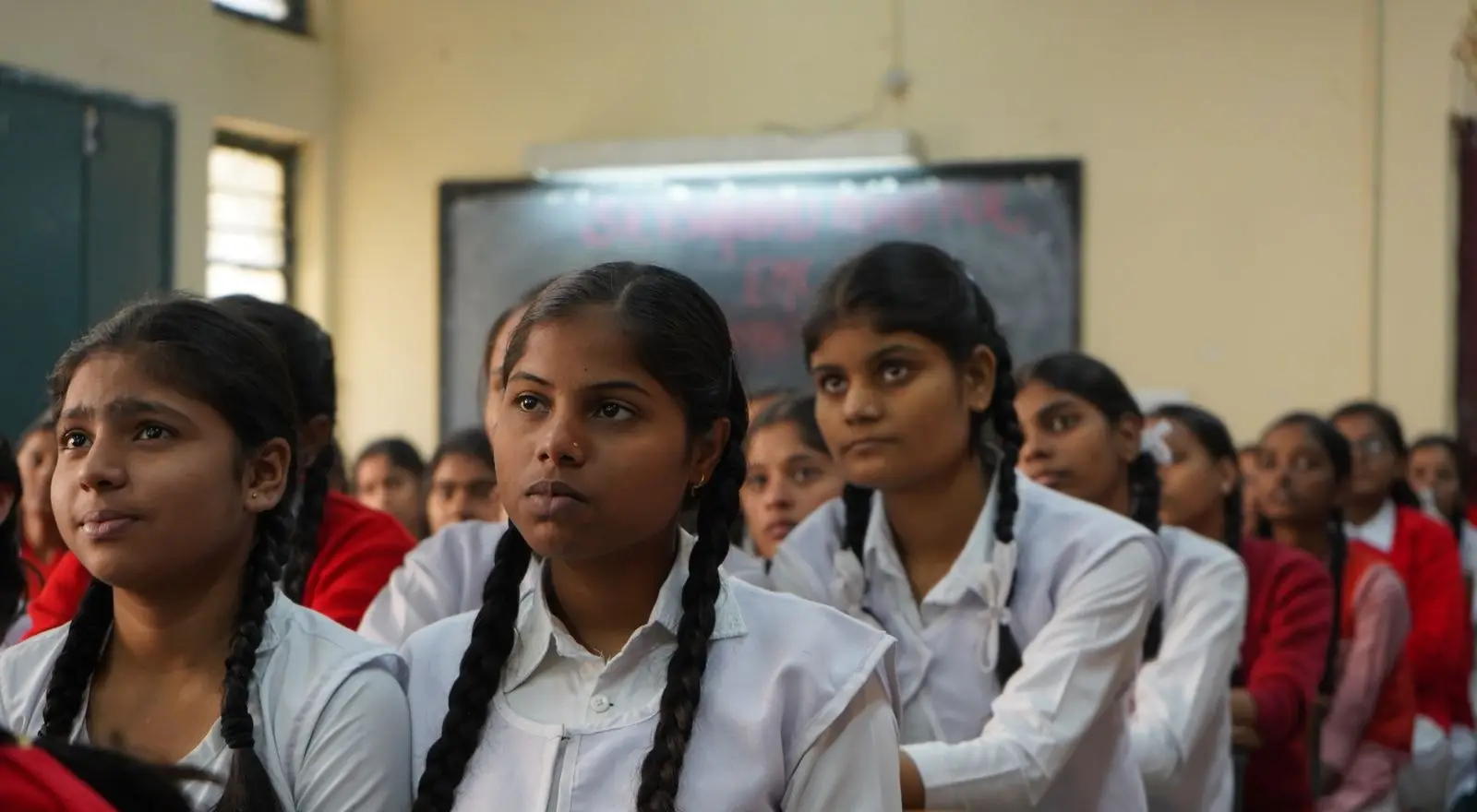
Some women in our neighbourhoods were the first in their families to finish school. Others never had the chance. Either way, life keeps asking new questions about money, documents, health, work and rights, and the answers are not always easy to find.
A woman who understands her options makes stronger choices for herself, her family and her community. Learning does not stop at any age.
Please note: We share information, not legal advice. For a legal problem, we will help you find the right official helpline or a qualified lawyer. Free legal aid is available through the government's Legal Services Authorities, and we can help you find it.
What we want to do
- Friendly sessions on women's rights and the laws that protect them, built on official government information
- Topics we plan to cover: protection from domestic violence, dowry, maintenance, equal pay, property and inheritance, workplace harassment, and free legal aid
- Help with everyday learning: reading, basic digital skills, using a phone safely and filling in forms
- Awareness talks in neighbourhoods, in plain Bengali and English
- Sharing details of government schemes and scholarships for women and girls
- Reading circles and peer groups where women teach and learn from each other
These are our aims. As each one happens, we will share it here with real photos.
How it works
- 1
We meet as a small group in a para, a home or a housing society.
- 2
A session lasts about an hour, in Bengali or English.
- 3
We explain official government information in simple words.
- 4
No one has to share personal stories, and questions can be asked privately.
How you can help
Teach a skill you know, even for an hour a week
Host a small learning session in your para or housing society
Share this page with women who would benefit